Apple may soon face a serious setback in the United States after a preliminary ruling from the US International Trade Commission (ITC) found that Chinese display manufacturer BOE infringed on Samsung Display’s OLED trade secrets. The decision could significantly disrupt Apple’s supply chain and limit its ability to sell certain iPhones in the US.
The ITC has issued two major orders as part of the ruling: a limited exclusion order and a cease and desist order. The first order could prevent Apple from importing iPhones that use BOE’s allegedly infringing OLED displays into the United States. The second order goes even further, potentially blocking Apple from selling existing inventory or continuing production and sales involving those components.
Although the ban has not yet taken effect, the situation looks increasingly problematic for Apple. A final ruling is expected in November, and according to reports from ETNews, preliminary ITC rulings are rarely reversed. If the decision is confirmed, Apple could face immediate restrictions on affected iPhones.
Following the final decision, there will be a two-month review window during which President Trump could veto the ruling, but such interventions are uncommon, leaving Apple in a highly uncertain position.
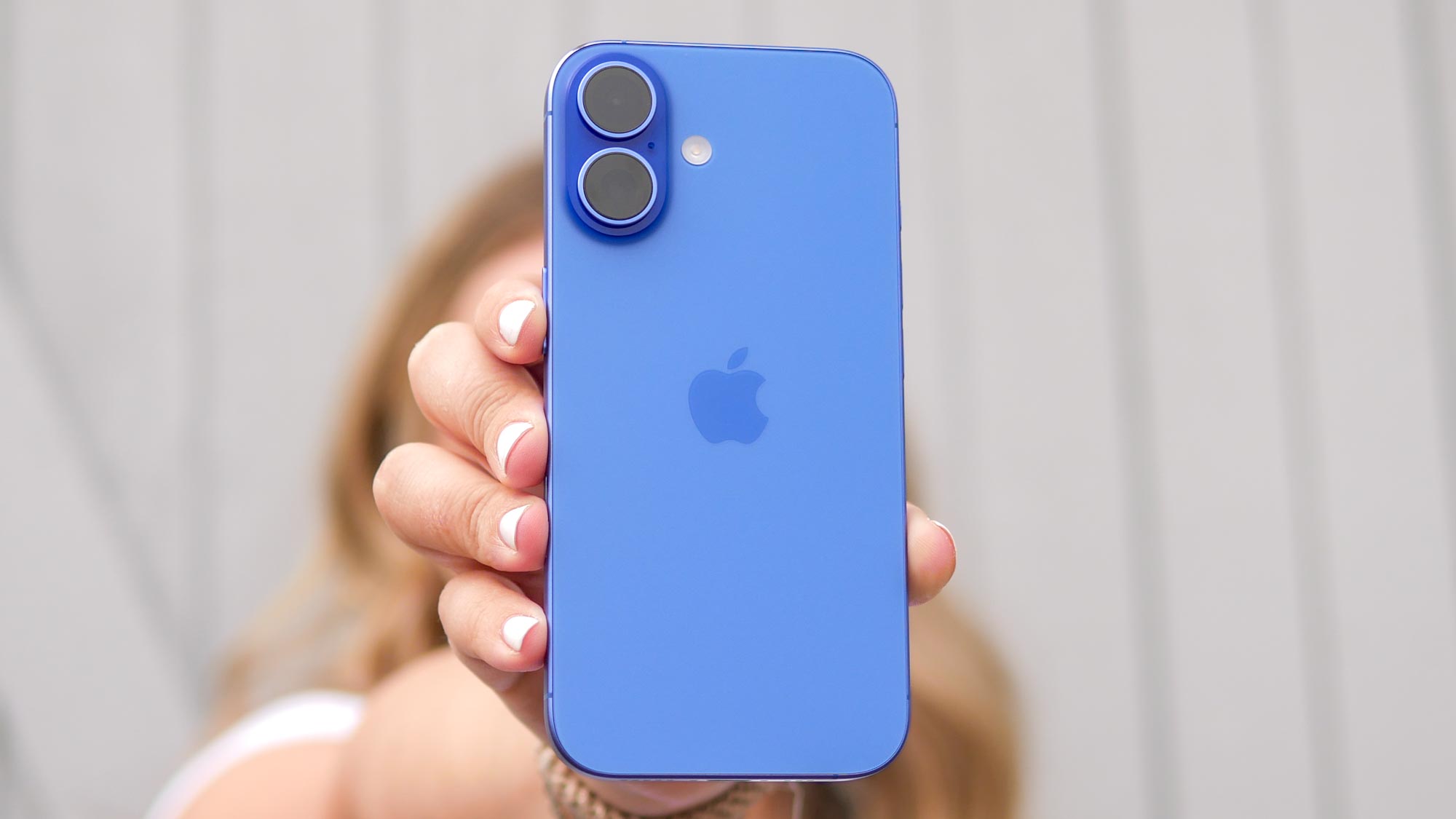
Apple typically sources display panels from several suppliers, including Samsung Display, LG Display, and BOE. BOE has played an important role in Apple’s supply chain, particularly for non-ProMotion displays used in standard iPhone models. In fact, BOE reportedly supplied the majority of displays for the iPhone 16e, making the potential import ban especially disruptive.
Adding to the complexity, recent reports suggest Apple had already approved BOE display panels for the upcoming iPhone 17 Pro models, though these units were reportedly intended exclusively for the Chinese market. While the ITC ruling would not affect sales in China, it could force Apple to rethink how it distributes manufacturing orders among its display suppliers worldwide.
Meanwhile, Samsung Display is also pursuing additional legal action. The company has filed a separate lawsuit in the US District Court for the Eastern District of Texas, seeking compensation for lost profits as well as punitive damages related to the alleged trade secret violations.
Altogether, the dispute threatens to create significant complications for Apple’s display supply chain and could potentially delay or limit certain iPhone sales in one of its most important markets.