

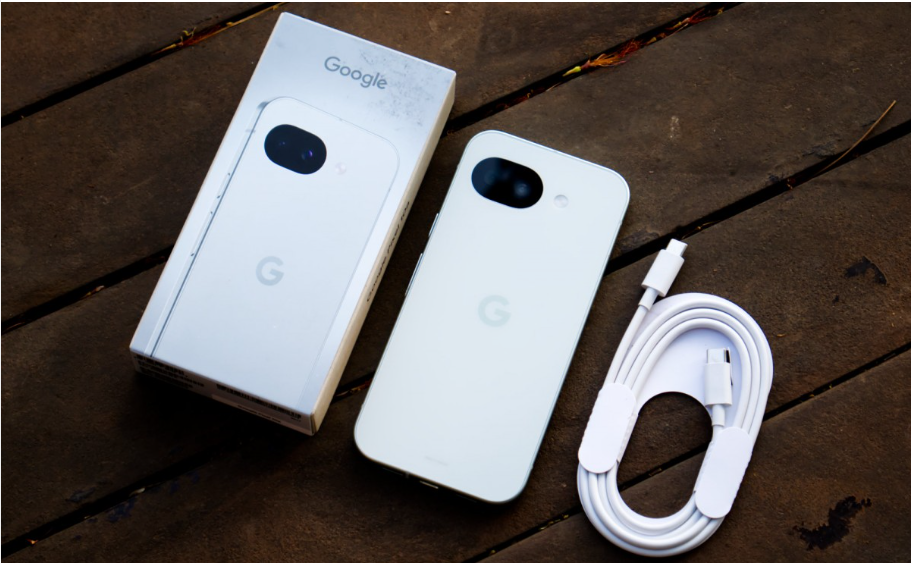
The internet wasted no time calling the Pixel 10a nothing more than a recycled Pixel 9a, and after spending time with the device, it’s hard to argue with that conclusion. If anything, the criticism might even be generous. The Pixel 10a feels less like a new smartphone and more like something that should have been delivered as a routine software update. Instead, Google chose to package minor tweaks as an entirely new product, which only highlights how little has actually changed.
Rather than bringing meaningful upgrades, the Pixel 10a arrives as a disappointing follow-up that barely moves the needle. By launching it as a new device, Google has created an awkward situation: the phone feels underwhelming to potential buyers, while Pixel 9a owners may feel unnecessarily left behind—even though most of the “new” features could easily have been delivered through updates.
What makes things worse is that the changes themselves are hardly essential. In fact, the Pixel 10a doesn’t solve many of the issues that plagued its predecessor. The thick display bezels remain, charging speeds are still slow, Qi2 wireless charging is still missing, and the chipset already feels outdated compared to competitors. Even the camera system, traditionally a Pixel strength, fails to deliver anything particularly exciting this time around.
Because of this, the Pixel 10a struggles to justify its existence. The now-discounted Pixel 9a actually looks like the smarter purchase, offering nearly the same experience for less money. Spending extra on the 10a feels difficult to justify when the improvements are so minor that they’re almost invisible in daily use. In reality, buyers might be better off saving their money, upgrading accessories for the 9a, or simply choosing a different smartphone entirely.
Even when looking at the specifications, the Pixel 10a does little to impress. The device features a 6.3-inch P-OLED display with a 120Hz refresh rate and up to 3000 nits peak brightness, but the overall design still carries noticeable bezels that make the phone feel dated. The body measures 153.9 × 73.0 × 9.0 mm and weighs 183 grams, with Gorilla Glass 7i on the front, an aluminum frame, and a plastic back. It does offer IP68 water and dust resistance, but that’s no longer a standout feature in today’s smartphone market.
Under the hood, the phone runs on Google’s Tensor G4 chipset, paired with 8GB of RAM and either 128GB or 256GB of storage. While it supports Android 16 with up to seven years of software updates, the hardware itself doesn’t feel particularly competitive.
The camera setup includes a 48MP main sensor and a 13MP ultrawide camera, along with a 13MP front camera. While the specs sound decent on paper, they don’t represent a meaningful improvement over the previous model.
The Pixel 10a also includes a 5100mAh battery with 30W wired charging and 10W wireless charging, which again feels underwhelming compared to the faster charging speeds offered by many competitors. Connectivity features include 5G support, Bluetooth 6.0, NFC, stereo speakers, and satellite SOS, along with an under-display fingerprint sensor.
Overall, the Pixel 10a feels less like a genuine upgrade and more like a placeholder release. Instead of pushing the A-series forward, Google appears to have played it safe—perhaps too safe—resulting in a phone that struggles to stand out in an increasingly competitive midrange market.
