Online shopping has become one of the most convenient ways to buy products. With just a few clicks, you can order electronics, clothing, home appliances, and many other items without leaving your home. However, many shoppers make common mistakes that can lead to scams, poor-quality products, or unnecessary expenses.
Understanding these mistakes can help you shop smarter and safer online. Below are 15 common online shopping mistakes and how to avoid them.
1. Not Researching the Website
One of the biggest mistakes shoppers make is buying from a website without checking if it is trustworthy.
How to avoid it:
Always search for the website’s reviews on Google, YouTube, or trusted review platforms before making a purchase.
2. Ignoring Customer Reviews
Many buyers skip reading customer reviews and only rely on product images or descriptions.
How to avoid it:
Read multiple reviews to understand the real experience of other customers. Pay attention to both positive and negative feedback.
3. Falling for Extremely Cheap Deals
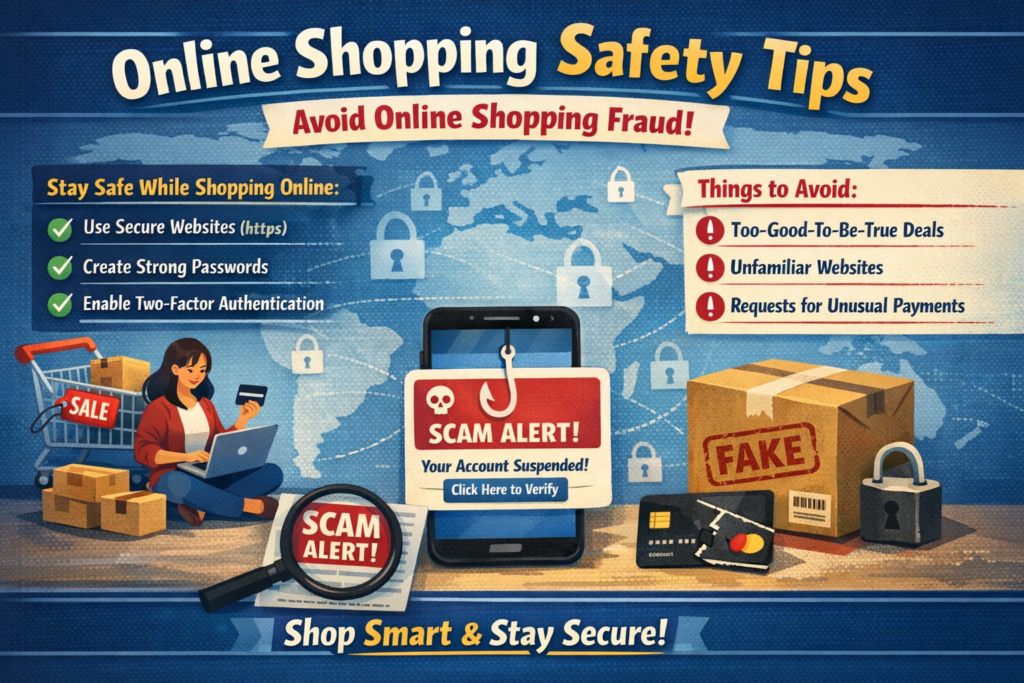
If a product price is far lower than other stores, it could be a scam or counterfeit item.
How to avoid it:
Compare prices across multiple websites to ensure the deal is realistic.
4. Not Checking Website Security
Shopping on an unsecured website can expose your payment details to hackers.
How to avoid it:
Make sure the website address begins with https:// and shows a lock icon in the browser.
5. Not Verifying the Company’s Contact Information
Some fake websites list fake addresses or no contact details at all.
How to avoid it:
Check the Contact Us page and verify the company address on Google Maps to see if the location actually exists.
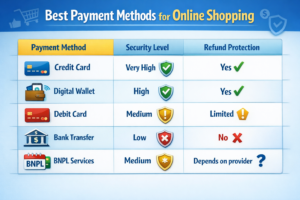
6. Skipping the Return and Refund Policy
Many shoppers do not check the return policy before buying, which can cause problems if the product is defective.
How to avoid it:
Always review the return, refund, and replacement policies before placing an order.
7. Using Public Wi-Fi for Payments
Making payments on public Wi-Fi networks can expose your financial data.
How to avoid it:
Use a secure internet connection when entering payment details.
8. Sharing Too Much Personal Information
Some websites ask for unnecessary personal information.
How to avoid it:
Only provide the information required for shipping and payment.
9. Not Checking Delivery Details
Some buyers forget to check shipping time, delivery charges, or international shipping policies.
How to avoid it:
Review the shipping details, estimated delivery time, and extra charges before ordering.
10. Buying Without Comparing Products
Many shoppers buy the first product they see without comparing options.
How to avoid it:
Compare multiple products, check specifications, and review ratings before choosing one.
11. Ignoring Product Specifications
Sometimes buyers rely only on images and ignore product details.
How to avoid it:
Carefully read the product description, size, features, and compatibility information.
12. Not Checking Seller Ratings
Marketplaces often have multiple sellers for the same product.
How to avoid it:
Choose sellers with high ratings and positive customer feedback.
13. Forgetting to Track Orders
Some buyers do not track their orders after placing them.
How to avoid it:
Keep your order confirmation email and tracking number to monitor the delivery.
14. Ignoring Scam Warnings
Some websites show warning signs like poor design, spelling errors, or unrealistic promises.
How to avoid it:
If a website looks suspicious or unprofessional, it’s better to avoid it.
15. Not Checking Reviews on Multiple Platforms
Many people only check reviews on the website itself.
How to avoid it:
Search for reviews on Google, YouTube, forums, and social media to get a more accurate opinion.
Final Thoughts
Online shopping is extremely convenient, but it’s important to shop wisely. By avoiding these common mistakes and following safe shopping practices, you can protect yourself from scams and ensure that you receive quality products.
Taking a few extra minutes to research a website, read reviews, and compare products can make a huge difference in your overall online shopping experience. Smart shoppers always verify information before making a purchase, ensuring safe and satisfying online transactions.